

Have you ever wondered why your favorite workout pants or jeans are so stretchy and comfortable?
This special material, elastane, has revolutionized clothing because it is super stretchy and comfortable, making it perfect for any movement. Elastane follows almost every movement, which is why it is especially popular with those who lead an active lifestyle.
Today, the world of sports and fashion would be unimaginable without it. Now we'll show you where it comes from, what its special properties are, what manufacturers use it for, and what its impact on the environment is.
The history of elastane
Elastane was invented in the 1950s by Joseph Shivers, an American scientist who worked for the DuPont company.

The goal was to create a material that was more flexible and comfortable than the fibers previously used. It was first known in the United States as "spandex," an anagram of the word "expands."
It became known as "elastane" in Europe and "lycra" in Australia and New Zealand. Elastane quickly became popular because it revolutionized sportswear and body-hugging fashion. It has since been manufactured worldwide, including in Brazil, India, Pakistan and the United Kingdom.
Material properties
One of the biggest advantages of elastane is its incredible elasticity. It is made of at least 80% polyurethane , which allows it to stretch up to 3-7 times and then return to its original shape.

This material dries quickly, does not wrinkle easily, and retains its vibrant color even after many washes. Although garments made from spandex fibers are durable and flexible, they are sensitive to high heat , so it is best to wash them at a maximum of 40 degrees.
It is often blended with other materials, such as cotton, polyester or polyamide, to create clothes with even better properties that are durable, comfortable and breathable.
Uses of elastane
Elastane is present in almost all types of clothing where flexibility is important. It is most often found in sportswear, such as running clothes, yoga pants, swimsuits or cycling suits. In these cases, it is essential that the clothing does not hinder movement, but works with the body.
In addition, elastane is used in tights, leggings, underwear, and even jeans to provide more comfort.
It has become almost a raw material in the textile industry, as it can be used to make clothes that fit better, look better, and last longer.
Sustainability of elastane
Although elastane is very useful, it is unfortunately not an environmentally friendly material. Its production requires a lot of energy and petroleum-based raw materials. Since it is plastic-based, it takes a long time to decompose and also pollutes the environment in the form of microplastics, e.g. during washing.
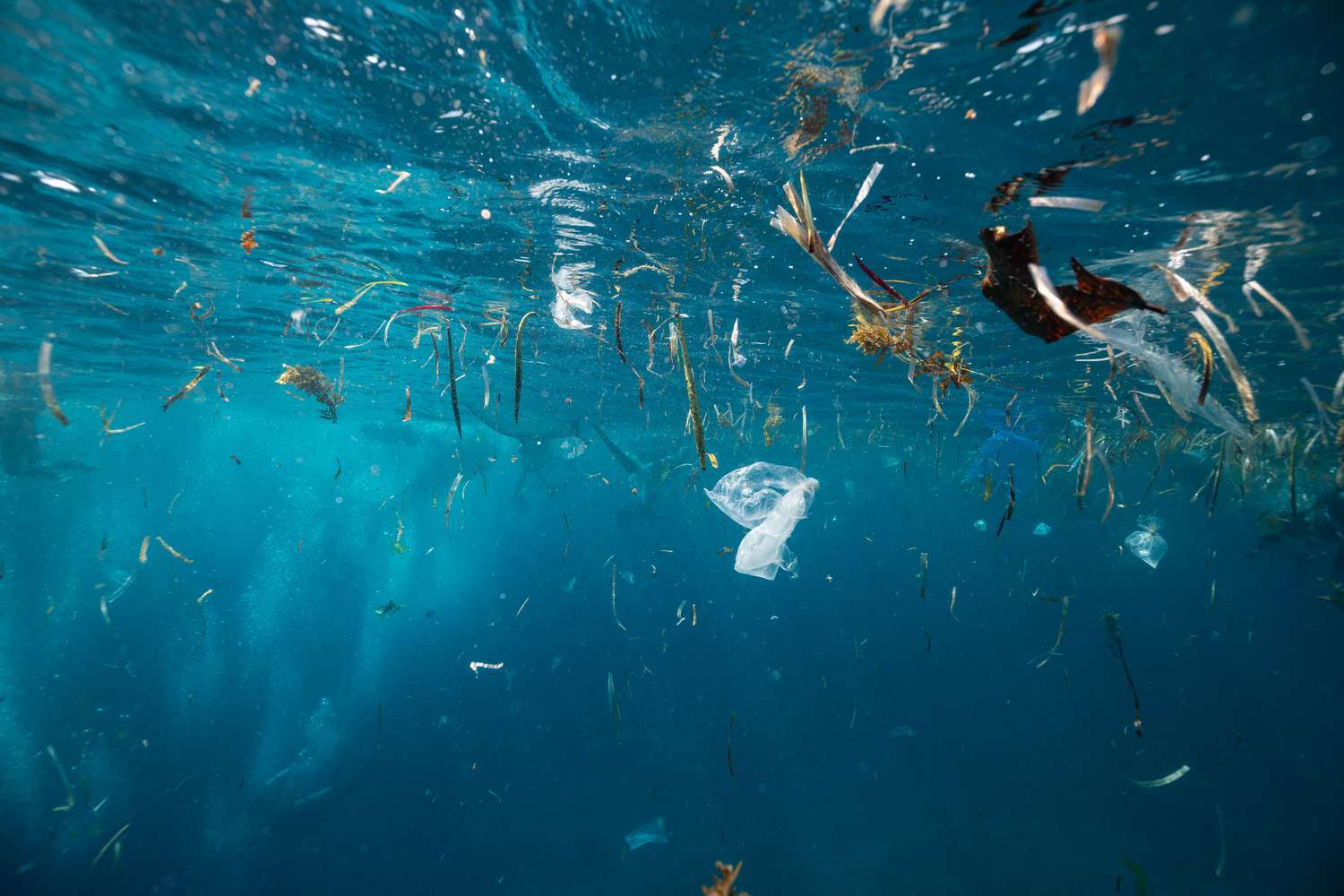
Recycling clothes containing elastane is also difficult, especially if it is mixed with other fibers, such as cotton.
Spandex fibers take no less than 450 years to decompose. Unfortunately, we still haven't figured out the negative aspects of sustainability: the ingredients used to produce elastane contain many toxic and hazardous substances.
When polyurethane burns, it releases isocyanates, which are proven to be carcinogenic. In addition, due to the nature of the material, a lot of artificial coloring is used.
Could elastane be sustainable?
Elastane is made from petroleum, so it's not inherently environmentally friendly. The good news is that researchers and manufacturers are working to reduce its environmental impact.

A 2016 study showed that it was possible to produce the isocyanates, the raw material for elastane, from vegetable oil. This would be a major step forward, as the original isocyanates are toxic. While many plant-based solutions were not strong enough, this research yielded encouraging results.
In addition, factories are also trying to reduce their energy use, water consumption and carbon dioxide emissions.
Recycled spandex materials already exist (e.g. Spanflex company), and in fact, many swimwear and sportswear are made from recycled plastic bottles and spandex.
The GOTS standard allows 5% spandex in organic clothing. While there are good trends, there is no fully sustainable elastane yet.
Organic cotton – a sustainable and skin-friendly choice
Organic cotton is an increasingly popular alternative for those who are concerned about both comfort and the environment. Unlike conventional cotton, organic cotton is grown using only natural methods and chemical-free processes, such as:
- Microclimate-friendly : less water and energy investment
- Chemical-free : no pesticides or synthetic fertilizers
- Skin-friendly : ideal for sensitive skin and allergy sufferers
- Biodegradable : environmentally friendly, washable over and over again
Why choose PatentDuo's organic cotton collection?
PatentDuo's eco-premium organic cotton products offer the following benefits:
- OEKO-TEX® Standard 100 certificate – guaranteed to be free of harmful substances and skin-friendly.
- Second Skin feel – seamless design, no side seams, soft touch.
- Slow fashion approach – limited collections, domestic production, conscious choice of materials.
- A perfect combination of style and comfort – a wide selection of yoga and sports tops, t-shirts, and leggings.
PatentDuo is committed to sustainable clothing: for all their organic cotton products, an environmentally friendly production process is the most important. The collections are made in small batches in domestic sewing workshops, supporting a quality workforce and a clean environment.
Discover PatentDuo's sustainable, eco-premium organic cotton collection and embark on the path of environmentally conscious fashion!
0 comments