

What is polyester?
Polyester is a synthetic polymer , mainly produced by the reaction of ethylene glycol and terephthalic acid, which is usually obtained from fossil fuels, mainly petroleum. Polyester is a thermoplastic and is extremely versatile, used in many industries, including textiles, automotive, and packaging. In the textile industry, fibers are often blended with other materials, such as cotton or wool, to improve the properties of the fabrics.
During the production of fibers, polymer chains are intertwined and then formed into various fabrics.
The resulting fabrics are lightweight, durable, and wrinkle-resistant, which is particularly beneficial for the apparel industry. In addition, polyester fabrics dry quickly and retain their color well, making them suitable for use in sportswear, swimwear, and outdoor gear.
History of the material
The history of polyester dates back to the late 1920s, when chemists around the world began researching the possibilities of producing synthetic fibers.
The American chemical company DuPont experimented with polyester derivatives, but it was chemists from the British company Imperial Chemical Industries (ICI), James Tennant Dickson and John Rex Whinfield, who successfully produced polyethylene terephthalate (PET) in the early 1940s.
The PET patent was registered in 1941, and it was soon discovered that the fibers made from it were extremely durable, colorfast, and wrinkle-resistant.
Polyester was first produced on an industrial scale in the late 1940s, initially in the UK and soon spread worldwide. The material quickly became popular as it offered a cheaper, more durable and less maintenance-intensive alternative to natural fibres such as cotton or wool.
Properties of polyester material
A common property of polyesters is that they are extremely good electrical and thermal insulators . They have a high melting point and are highly resistant to chemicals and strong solvents.
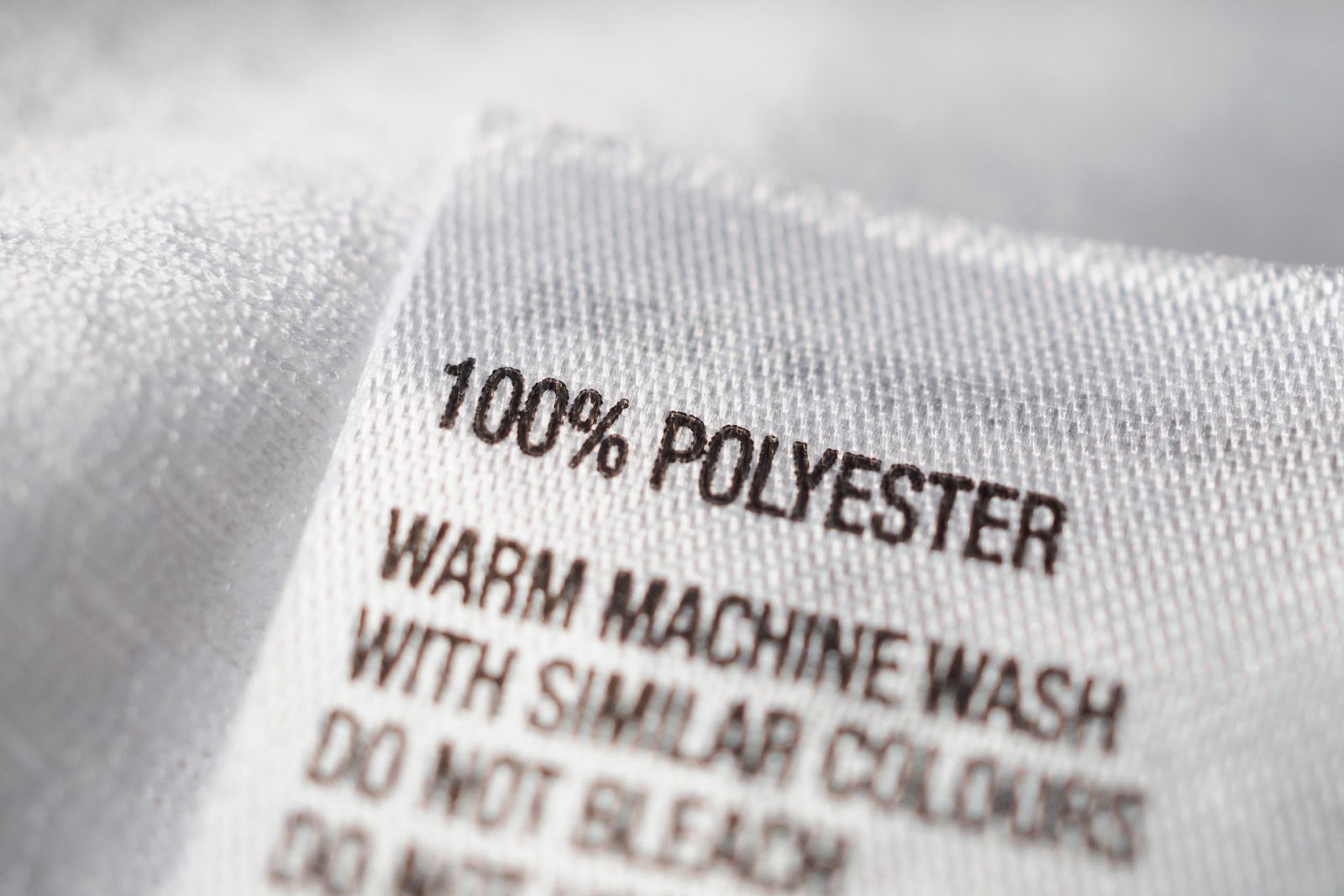
It has extremely good water repellency, which not only ensures faster drying but also increases the stain resistance of the material. It also has outstanding color fastness: the fabric's vibrant colors remain without fading even after multiple washings.
Sweating in polyester clothes: the disadvantages of polyester
However, due to its poor breathability, it is easy to sweat in it, which can be extremely unpleasant during exercise and gives a feeling of discomfort. The chemicals that leak into the skin when wearing it are also extremely harmful, e.g. to the hormonal system.
Furthermore, since they are sensitive to high temperatures, it is not worth washing them at temperatures higher than 40 degrees, as this will ruin the material. Although it is not necessary to iron a lot, you should be careful when ironing - only iron the clothes inside out.
Polyester and sustainability
The production of polyester has a significant environmental impact, as its main raw materials, ethylene glycol and terephthalic acid, are extracted from fossil fuels , mostly petroleum .
The processing of such raw materials and the production of polyester require significant energy investment, contributing greatly to greenhouse gas emissions and global warming.
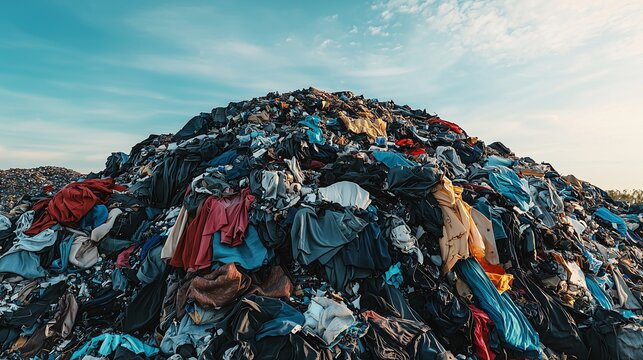
Furthermore, the biodegradation of plastic is extremely slow, taking hundreds of years, which places a long-term burden on landfills and the natural environment.
A slightly better solution to reduce environmental impact is the use of recycled polyester (rPET). The plastic bottles and other polyester waste used to produce rPET are processed, which significantly reduces the need to extract new raw materials and greenhouse gas emissions.
But the microfibers released during washing clothes still end up directly in the water, where they not only pollute ecosystems but also enter the food chain, endangering animals and indirectly humans.
When should we choose polyester clothing?
Polyester is a good choice if you need a garment that is durable, quick-drying, and easy to clean.
When we say synthetic fiber, we may think of poor quality and strange-feeling material, but as the polyester processing process has become increasingly modern, synthetic fiber clothes now provide a certain level of quality and comfort.
However, it is important to know that much of the polyester industry does not operate on a fair trade basis and exploits workers. In addition, wearing synthetic clothing is extremely harmful to your health in the long term, as they are mixed with a lot of chemicals and dyes during production, which are absorbed into the skin during prolonged wear and sweating.

That's why we at PatentDuo are committed to creating 100% premium organic cotton sportswear that provides natural breathability, comfort, and non-irritating wear.
0 comments