

What is cotton?
Cotton is a natural fiber from the Gossypium plant genus, which is extracted from the fine threads that grow around the seeds.
It is one of the most important textile materials in the world, as it is breathable , soft , durable and easy to work with . It also has extremely good moisture absorption and breathability.
The history of cotton
Cotton has been used for thousands of years . The oldest traces of it can be found in the Indus Valley Civilizations, dating back to 5000 BC. There were also traces in Egypt and Mesopotamia, but also in China and Peru.
It was introduced to Europe in the 1st century by Arab traders, but it did not become widespread until the Middle Ages, and initially the finished fabrics were imported because local technology was not capable of fine processing.
Cotton spread to America from the 16th to the 19th centuries thanks to European colonists. The labor-intensive cultivation of cotton led to a demand for slaves, which was further increased by Eli Whitney's invention of the gin .
Thanks to the industrial revolution of the 18th-20th centuries, textile factories were built in Europe. Interestingly, attempts were also made in Hungary to grow cotton, but it was not suitable for that.
Today, we face many challenges due to unprecedented demand and a processing process that is extremely harmful to the environment.
Environmental pollution in cotton production
Traditional cotton farming is one of the most polluting agricultural sectors . As the infographic shows, 1 T-shirt requires 2,700 liters of water, which is enough to provide 1 person with nearly 2.5 years of drinking water. If that number isn't shocking enough, imagine that the textile industry used 79 billion cubic meters of water in 2015.

Furthermore, conventional cotton farming uses significantly more water and uses a variety of pesticides and nitrogen-based fertilizers.
These chemicals pollute the soil and water, and greenhouse gases are released during their use. After the plants are harvested, chemicals that are also harmful to the environment and health are used to process the raw cotton, and then the yarns are "enriched" with synthetic materials, man-made fibers, plastic-based fibers, and colored with artificial dyes.
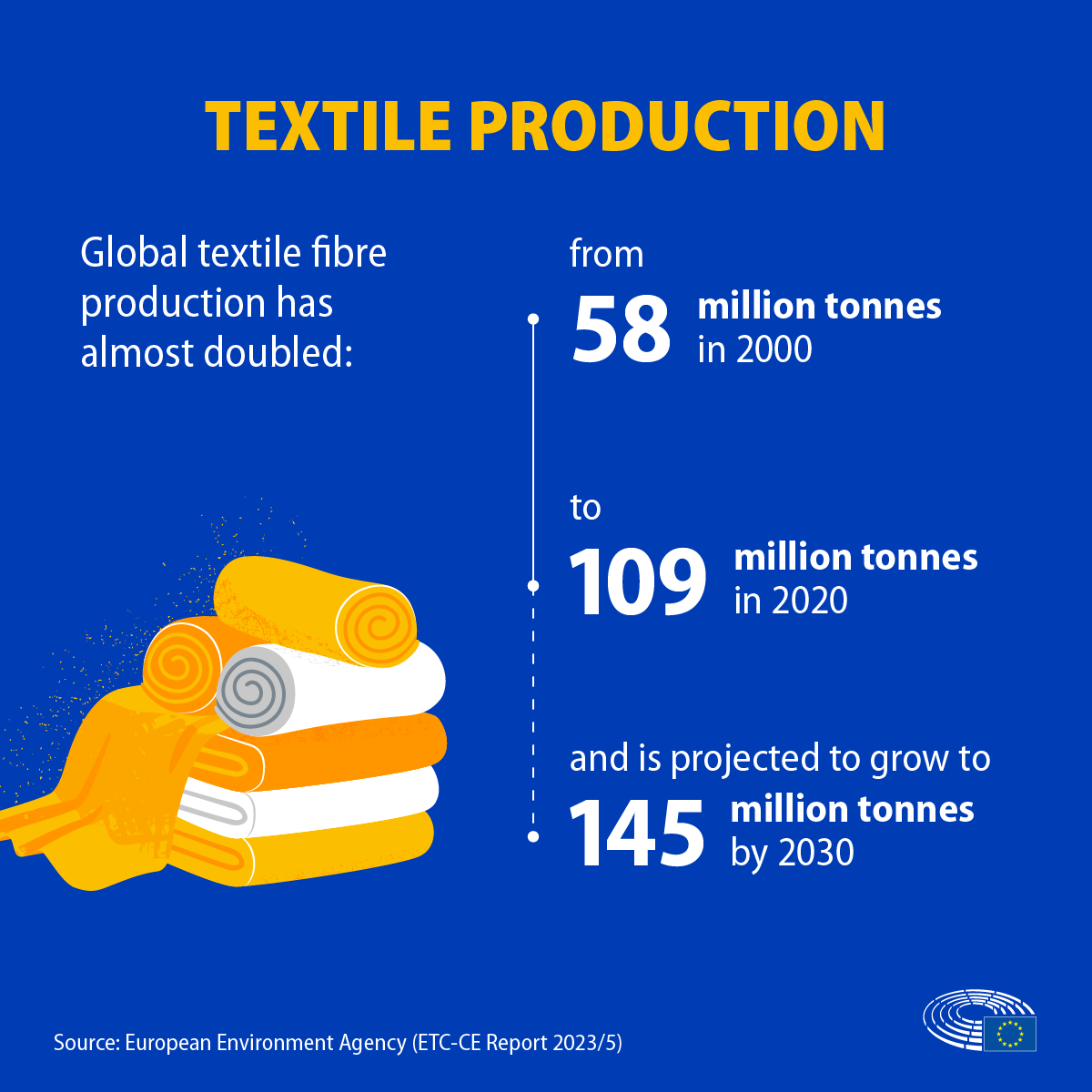
Source: European Parliament: The impact of textile production and waste on the environment (infographics)
How is cotton made?
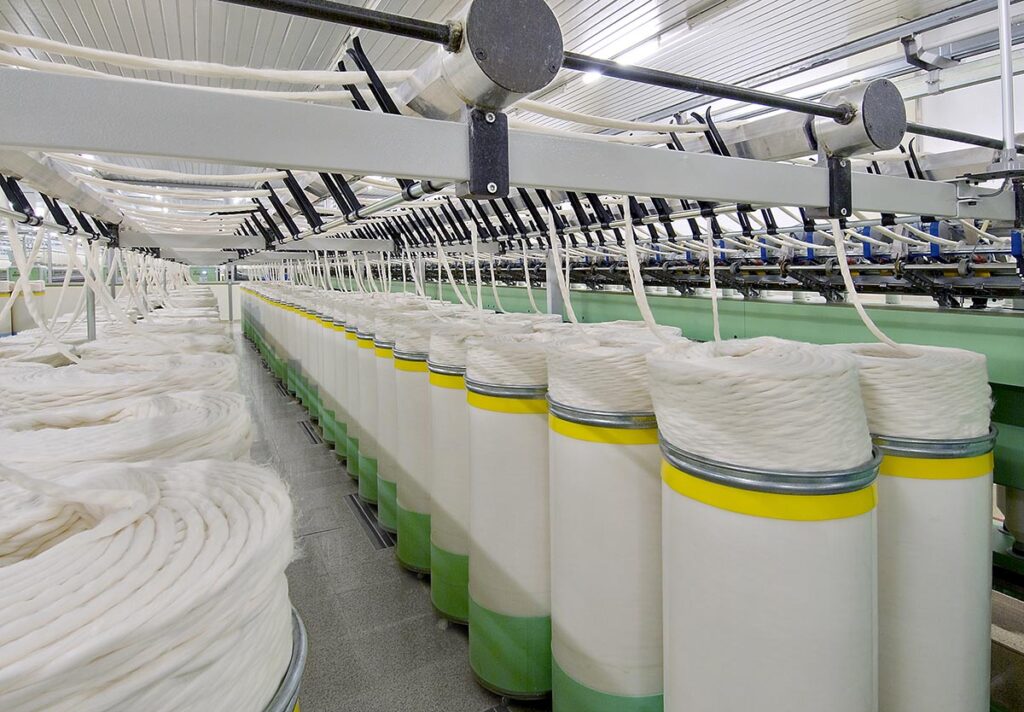
- Cultivation : Cotton requires a warm, dry climate. The plant is usually planted in spring and matures in 5-6 months. Modern cultivation involves intensive irrigation and the use of pesticides.
- Harvesting : Nowadays, it is mainly done by machines that pick the cotton bolls all at once. Hand picking is rare and is only used for premium quality cotton (e.g. Egyptian).
- Ginning : In cotton processing plants, machines separate the fibers from the seeds. This process creates raw cotton, which is pressed into large sheets before shipping.
-
Textile processing :
- The fibers are cleaned and combed
- It is turned into yarn on spinning machines
- Various fabrics are produced by weaving or knitting
-
Finalization :
- The fabric is washed and bleached
- Painted or printed
- Special treatments are applied (e.g. mercerization, water-repellent coating)
Due to the environmental impact of the traditional process, alternative solutions such as the use of organic cotton or recycled textile materials are becoming increasingly popular.
Organic Cotton: The More Sustainable Choice
Organic cotton, also known as biocotton or ecocotton, is an environmentally friendly alternative to traditional cotton farming, which is becoming increasingly popular among conscious consumers.
They use exclusively non-GMO cotton varieties and only use natural fertilizers and pesticides, resulting in 26% less soil erosion.
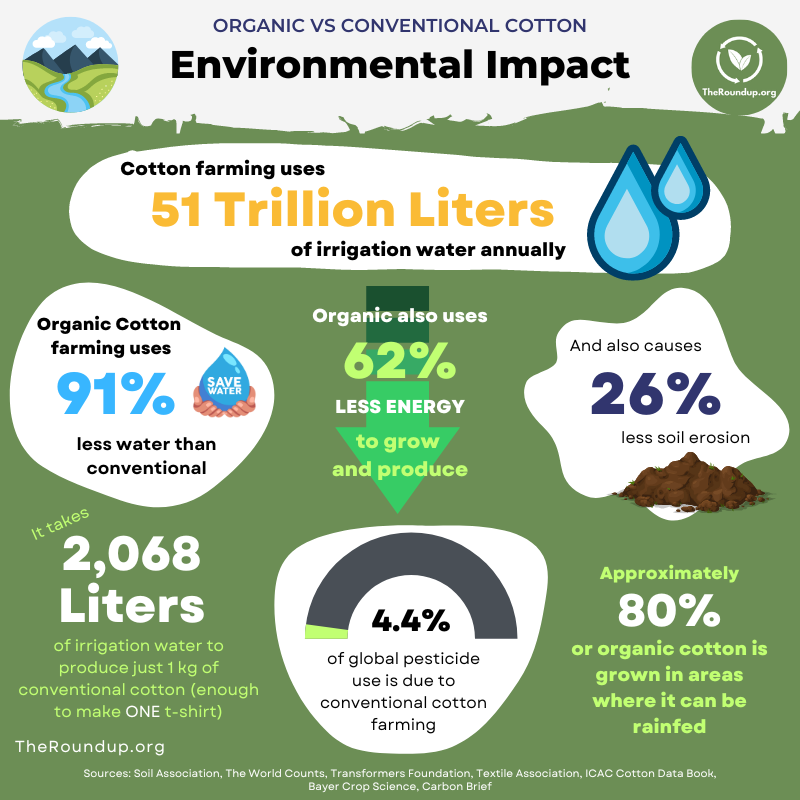
Source: theroundup.org
Conventional cotton uses 51,000 billion liters of irrigation water globally each year. Organic cotton uses 91% less water , saving our water supplies.
The other most important thing is that organic cotton production consumes 62% less energy in the growing and processing processes, thus offering a much more sustainable and environmentally conscious alternative overall.
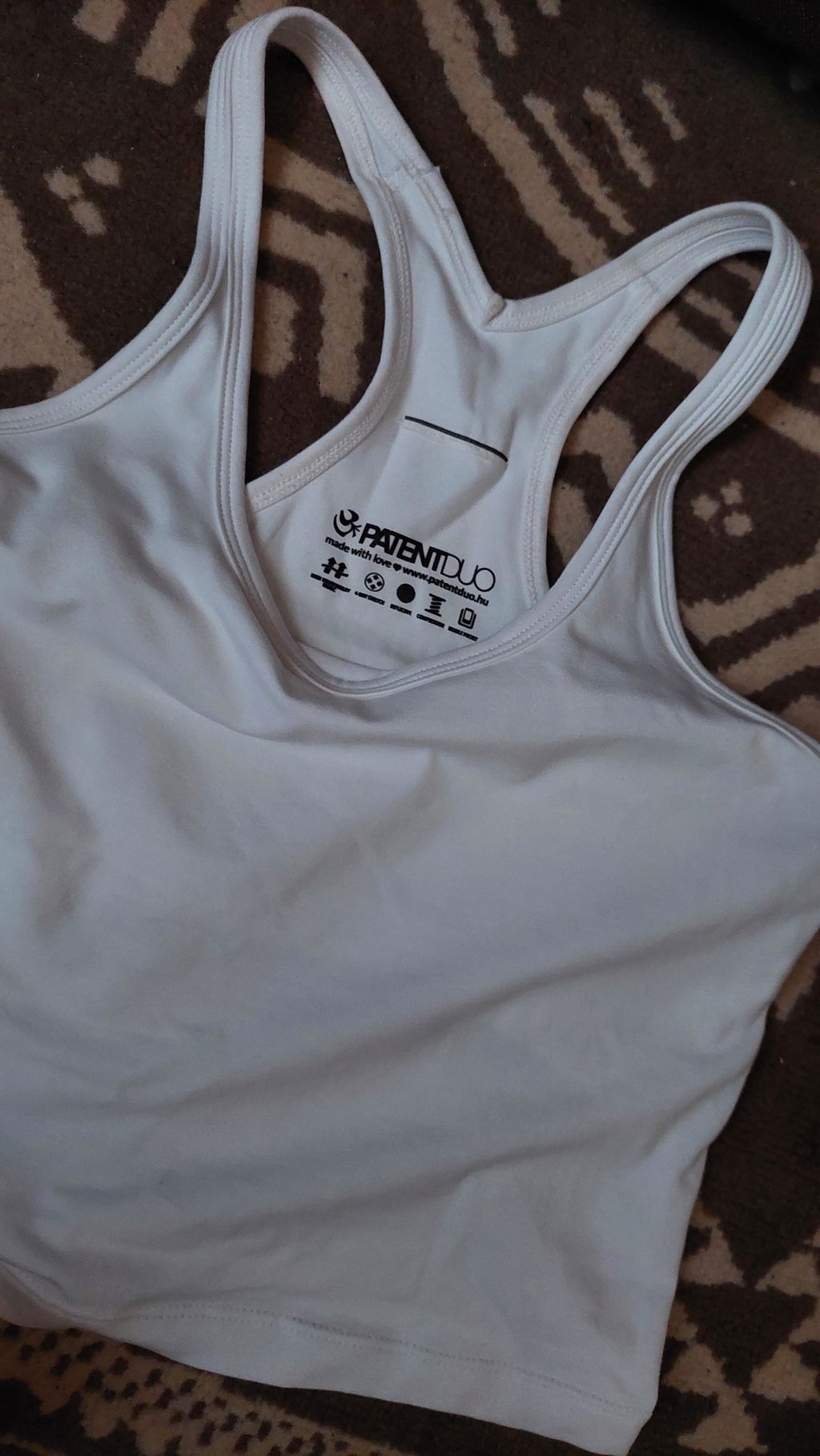
At PatentDuo, we are committed to making organic cotton sportswear because it not only provides a sustainable alternative.
They also have many other benefits - including preserving long-term health because they do not contain harmful chemicals that are absorbed through the skin when the clothes are worn.
The versatile uses of cotton
In apparel, it excels in the production of denim, shirts and casual T-shirts, where durability and comfort are crucial. Its breathable and moisture-wicking properties make it ideal for underwear and sportswear .
Among household textiles , bed linen (linen, percale), towels (terry) and kitchen towels dominate, where their absorbency and ventilation properties are advantageous.
In healthcare, it is used to make sterile cotton wool, gauze, and medical gowns because it is hypoallergenic and can be easily sterilized.
In industrial applications , it is used to produce ropes, filter materials and special papers.
More recently, sustainable fashion has also prioritized organic cotton and recycled cotton fibers, thereby reducing the environmental impact.
Summary
Cotton, although an excellent textile material and one of the most important materials throughout history, has a huge environmental impact: 51,000 liters of water and 4.4% of global insecticide use per year.
However, organic cotton requires 91% less water , 62% less energy , and is GMO-free . Make your choice conscious : durable clothes, organic materials, recycled cotton.
The Earth and your skin will thank you!
0 comments